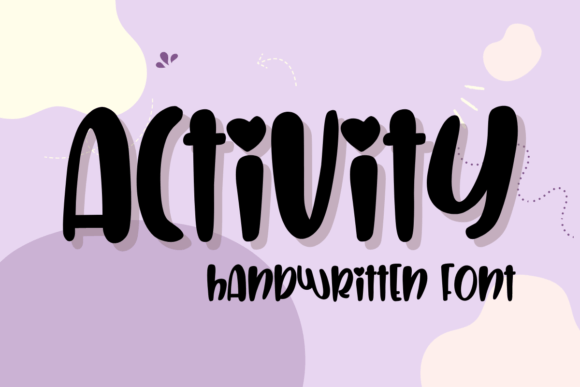
Activity: The Handwritten Font for Authentic Design
In a digital world saturated with sleek, uniform typography, the warmth of a handwritten note can cut through the noise with startling effectiveness. The Activity font captures this essence, offering a spontaneous, personal touch that instantly connects with an audience on a human level. This isn't just a typeface; it's a strategic tool for designers and creators aiming to inject authenticity and approachability into their visual communication.
From a graphic design perspective, Activity serves as a powerful creative asset for breaking visual monotony. Its irregular baselines and natural stroke variations mimic real handwriting, making it ideal for projects where a personal, crafted feel is paramount. Think beyond simple note-taking; this font excels in applications where emotional resonance and brand personality are key drivers of engagement.
Practical Applications for Modern Design
The versatility of a handwritten font like Activity allows it to enhance a wide array of creative projects. Its application can significantly improve user experience and brand perception when used thoughtfully.
- Branding & Logo Design: For brands in lifestyle, artisanal food, wellness, or creative services, Activity can form the basis of a logo or a secondary wordmark. It conveys craftsmanship, care, and a personal touch, strengthening brand identity by making it feel more relatable and less corporate.
- Marketing & Social Media: In digital marketing, especially on platforms like Instagram and Pinterest, this font can make social media graphics stand out. Use it for quotes, call-to-action statements, or promotional banners to create a friendly, conversational tone that boosts user engagement.
- Editorial & Packaging Design: In editorial layouts, Activity can highlight pull quotes or section headers, adding visual hierarchy and a dynamic rhythm to the page. For packaging design, it evokes a sense of authenticity, perfect for product labels, gift tags, and thank-you notes that enhance the unboxing experience.
- Web & UI Design: When applied sparingly in web design or UI design, such as for testimonial headers, blog post titles, or accent text, it can soften a digital interface and guide the user's eye, improving overall UX design by adding a layer of visual interest and warmth.
Integrating Handwritten Elements Effectively
While the charm of Activity is evident, its successful integration requires a thoughtful design workflow. The goal is to enhance, not overwhelm, your visual hierarchy.
Pairing and Contrast: Always pair a handwritten font like Activity with a clean, highly readable sans-serif or serif font for body copy. This contrast ensures legibility for longer text while allowing the handwritten element to command attention for key messages. Consider your existing color palette; Activity often works best with organic, muted tones or as a bold accent in a minimalist scheme.
Scalability and Context: Test the font at various sizes. Handwritten typefaces can lose clarity when scaled down for fine print or dense UI elements. Use it for headlines, short phrases, or labels where its personality can shine without compromising readability. Always ask: does this choice align with the project's core message and audience expectations?
In the realm of modern aesthetics and professional presentation, the strategic use of a font like Activity