Salting: A Modern Handwritten Font for Creative Design
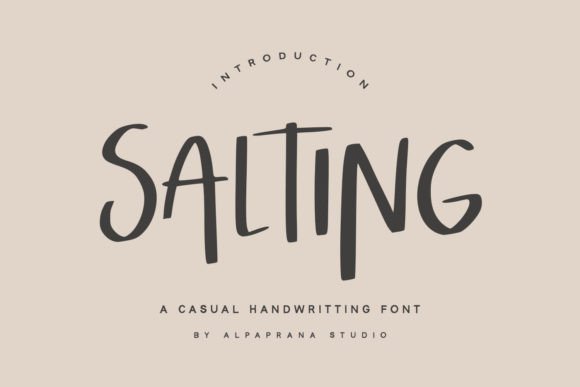
In the crowded landscape of digital typography, finding a font that feels both authentic and contemporary can transform a project from ordinary to unforgettable. Salting emerges as a handwritten display font that masterfully blends natural fluidity with a modern aesthetic, offering designers a versatile tool for projects demanding a personal yet polished touch.
Understanding Salting's Visual Impact
Typography is the voice of visual design, and Salting speaks with a clear, approachable tone. Its carefully crafted letterforms replicate the organic imperfections of hand-lettering while maintaining the consistency required for professional applications. This balance makes it particularly effective for creating emotional connections with audiences, as the human eye naturally responds to the warmth of handwritten styles.
In modern graphic design, where authenticity often drives engagement, Salting provides a bridge between casual expression and brand sophistication. Unlike overly rigid typefaces, its natural flow adds personality to visual communications without sacrificing readability or scalability.
Practical Applications Across Design Disciplines
The true strength of Salting lies in its adaptability. Consider these practical implementations where this handwritten display font can elevate your creative projects:
- Brand Identity Systems: Salting excels in logo design and brand identity development, particularly for lifestyle brands, artisanal products, boutique services, and creative agencies seeking a humanized visual voice.
- Marketing and Advertising: From poster design to shopping bags and t-shirt graphics, Salting adds tactile authenticity to physical and digital marketing materials, enhancing recall and emotional resonance.
- Digital and Editorial Design: When used strategically in magazine layouts, book covers, or social media graphics, it creates visual hierarchy and focal points that guide reader attention effectively.
- Packaging and Product Design: The font's natural feel makes it ideal for packaging design where conveying craft, quality, or organic origins is essential to the product story.
Integrating Salting Into Your Design Workflow
Effective typography selection requires more than aesthetic preference—it demands strategic consideration of context, audience, and communication goals. When implementing Salting, consider these professional guidelines:
- Contextual Readability: While beautiful, handwritten fonts perform best at display sizes. Pair Salting with clean sans-serif or serif typefaces for body text to maintain readability across different media.
- Brand Alignment: Evaluate whether Salting's personality aligns with your brand's values. Its modern yet natural character suits brands emphasizing creativity, authenticity, or approachability.
- Visual Hierarchy: Use Salting sparingly for headlines, quotes, or accent text to create impact without overwhelming the design. Its distinctive character works best when it has visual space to breathe.
- Technical Considerations: Test font rendering across different devices and platforms, particularly for web design and UI applications where performance and consistency matter.
Remember that typography never exists in isolation. Consider how Salting interacts with your color palette, imagery style, and overall composition. A cohesive visual system where each element supports the others creates the most professional and impactful results.
Elevating Creative Projects Through Thoughtful Typography
In an era of visual saturation, the details matter more than ever. The fonts we choose communicate subtle messages about quality, attention to detail, and brand personality. Salting represents more than just another typeface—it's a creative asset that can help bridge the gap between digital precision and human warmth.
Whether you're developing a complete brand identity, crafting social media content, designing packaging, or creating editorial layouts, investing in high-quality typography like Salting pays dividends in audience engagement and professional presentation. As design trends continue to value authenticity and human connection, fonts that offer this natural yet refined aesthetic will remain valuable tools in any designer's arsenal.
Ultimately, successful design is about making intentional choices that serve both aesthetic and communication goals. By understanding how tools like Salting function within broader visual systems, designers and creators can make more informed decisions that enhance both the beauty and effectiveness of their work.