Winland: Crafting Authenticity with a Brush Pen Script
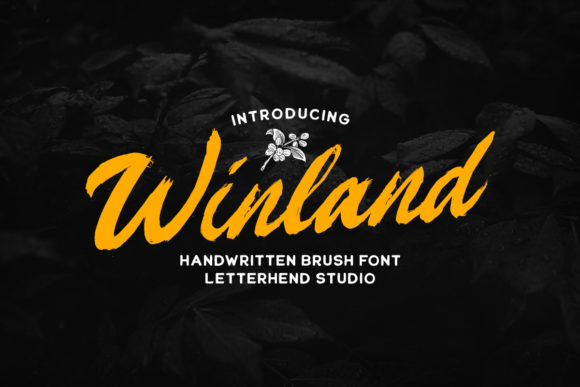
Imagine a design that feels instantly personal, warm, and human. This is the magnetic appeal of Winland, a vintage-inspired, cursive handwritten font meticulously created with the help of a brush pen. Its original, organic look offers a powerful tool for designers, marketers, and creators seeking to inject authenticity and a touch of handcrafted elegance into their visual projects, moving beyond sterile digital typography to something with genuine soul.
The Role of Authentic Typography in Modern Design
In an era saturated with sleek, minimalist interfaces, a carefully chosen script font like Winland serves as a strategic counterpoint. It disrupts visual monotony and establishes a powerful emotional connection. Effective visual communication isn't just about clarity; it's about feeling. A font with character, like this brush-pen script, can instantly convey values such as creativity, warmth, tradition, or artisanal quality, making it a vital asset in a designer's toolkit for shaping perception and guiding user experience.
Practical Applications for Creative Projects
The versatility of a well-designed handwritten font extends across numerous domains. Winland’s vintage charm and fluid strokes make it particularly effective for applications where personality and a human touch are paramount.
- Branding and Logo Design: Use it for logotypes, taglines, or brand marks for businesses that want to project an approachable, creative, or boutique identity—think cafes, artisan studios, wedding planners, or lifestyle blogs.
- Marketing and Advertising: Elevate social media graphics, email headers, and promotional flyers. Its style can make a call-to-action feel more inviting or a testimonial more genuine.
- Editorial and Print Design: Perfect for magazine pull quotes, chapter headings in books, or elegant stationery design, adding a layer of sophistication to editorial layouts.
- Packaging and Merchandise: On product labels, gift tags, or custom merchandise, this font style reinforces a packaging design narrative of craftsmanship and care.
- Digital and UI Touches: When used sparingly and at appropriate sizes, it can highlight specific text in a website hero section or within a mobile app interface to draw attention without compromising overall UX design readability.
Integrating Winland Effectively into Your Workflow
Successfully incorporating a distinctive script font requires thoughtful execution to maintain visual hierarchy and professionalism. Consider these key factors:
- Readability is Paramount: Handwritten fonts excel in headlines and short phrases but can become illegible in long body text. Always pair Winland with a clean, simple sans-serif or serif font for paragraphs to ensure your message is accessible.
- Consistency Builds Identity: If using it for a brand, apply it consistently across touchpoints to strengthen brand identity. Avoid mixing multiple script fonts, which can create visual chaos.
- Context Matters: Analyze your audience and design goals. A vintage brush script complements a rustic, organic aesthetic but may clash with a ultra-modern, geometric brand identity. Let the project’s core message guide your typography choices.
- Technical Considerations: Test the font for scalability in your intended applications. Ensure it renders clearly in both digital and print formats. Check for licensing that covers your specific use cases, whether for digital marketing assets or commercial merchandise.
Ultimately, the most impactful designs are those that communicate on multiple levels. Thoughtful typography selection is a cornerstone of this process, directly influencing visual hierarchy, user engagement, and the perceived quality of a project. By leveraging quality creative assets